Showing posts with label MS. Show all posts
Showing posts with label MS. Show all posts
Tuesday, January 19, 2021
My life
Since all these years you
akready know that i have
MS since last 12 years.
Indirectly i am a warrior
like other MS'ers. More than
2.3 million people have a
diagnosis of MS on this planet
Earth.

Thursday, March 5, 2020
Ponesimod for RRMS
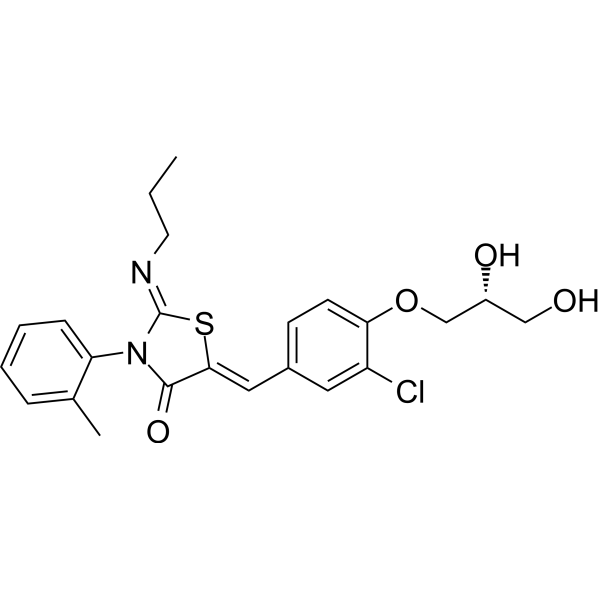
Ponesimod is to be taken once a day by mouth.
How ponesimod works
Ponesimod is a selective sphingosine-1-phosphate receptor 1 (S1P1) immunomodulator.
The therapy stops immune cells (lymphocytes) from leaving lymph nodes, by blocking S1P signalling. This reduces the number of circulating immune cells, preventing them from infiltrating target issues. In people with relapsing-remitting multiple sclerosis (RRMS), ponesimod prevents immune cells from crossing the blood-brain barrier and damaging myelin. Myelin is a protective sheath that insulates nerve cells, and is damaged in patients with MS.
The immune cell count reduction is rapid, dose-dependent, and maintained with continued dosing. The drug’s effect is reversible when discontinued.
Studies of ponesimod for RRMS
A current Phase 3 study, OPTIMUM, (NCT02425644) aims to compare the effectiveness and safety of posenimod to teriflunomide (Aubagio) in reducing relapses in RRMS patients. This study has finished recruiting approximately 1,100 participants, who will either be treated once daily with ponesimod (20 mg per day), or receive teriflunomide (14 mg per day) for 108 weeks. The results are expected in 2019.
Another Phase 3 study, POINT, (NCT02907177) will compare the effectiveness, safety and tolerability of posenimod in 20 mg doses in people with RRMS who are currently being treated with Tecfidera. The study will be conducted under a Special Protocol Assessment (SPA) with the U.S. Food and Drug Administration (FDA). It is currently recruiting participants.
Earlier studies showed promising results. It has been tested at different doses (10 mg, 20 mg and 40 mg) in Phase 2 studies (NCT01006265). This study found that ponesimod significantly reduced the number of new active lesions on monthly MRI brain scans and reduced the frequency of relapses. These results were published in the Journal of Neurology, Neurosurgery and Psychiatry. An extension study published in 2013 confirmed the findings.
So far, studies have suggested that ponesimod does not cause lymphotoxicity by destroying or depleting lymphocytes (immune cells) or interfering with their cellular function.
Though no detailed information has been provided yet, the most reported side effects for ponesimod are shortness of breath and asymptomatic liver enzyme elevations.
Note: Multiple Sclerosis News Today is strictly a news and information website about the disease. It does not provide medical advice, diagnosis, or treatment. This content is not intended to be a substitute for professional medical advice, diagnosis, or treatment. Always seek the advice of your physician or other qualified health provider with any questions you may have regarding a medical condition. Never disregard professional medical advice or delay in seeking it because of something you have read on this website.
Janssen Asks EMA to Approve Oral Ponesimod to Treat Relapsing MS

Janssen has submitted an application to the European Medicines Agency (EMA) asking that ponesimod be approved as an oral treatment for adults with relapsing multiple sclerosis (MS) in the European Union.
Ponesimod (formerly ACT-128800) is an experimental treatment that targets the sphingosine-1-phosphate receptor 1 (S1P1), and reportedly with high selectivity. In doing so, it works to ‘trap’ immune cells in lymph nodes, limiting the damage they can do to the nervous system.
The MS therapies Gilenya (fingolimod) and Mayzent (siponimod), both of which are already approved in Europe, are also S1P1 receptor modulators, working through a similar mechanism of action.
The company’s Marketing Authorisation Application for ponesimod is based on data from the Phase 3 clinical trial OPTIMUM (NCT02425644). In this trial, 1,133 people with relapsing-remitting MS (RRMS) or active secondary progressive MS (SPMS) were randomly assigned to either ponesimod at 20 mg or Aubagio (teriflunomide) at 14 mg, both taken by mouth once a day for two years (108 weeks).
Aubagio, by Sanofi, is an approved first-line therapy for MS. Like ponesimod, it works by reducing the activity of the immune system, albeit through different mechanisms.
Topline results from OPTIMUM showed that the annualized relapse rate (ARR) was significantly reduced by 30.5% with ponesimod, as compared to Aubagio, treatment — on average, 0.202 relapses per year in the ponesimod group and 0.290 among those given Aubagio.
A significant reduction (56%) in the number of new active, inflammatory brain lesions visible on a magnetic resonance imaging (MRI) scan was also seen with ponesimod treatment, as compared to Aubagio. There was also a trend towards lesser disability progression with ponesimod, but this did not reach statistical significance.
Ponesimod did lead to a statistically significant reduction in reported fatigue relative to Aubagio.
“Fatigue remains a challenging, yet invisible, symptom among those living with MS. We are encouraged by the results ponesimod shows in alleviating this symptom, as well as the reduction in new inflammatory lesions and disability accumulation,” Husseini Manji, MD, FRCPC, the Global Therapeutic Area head for Neuroscience at Janssen Research & Development, said in a press release.
“We look forward to collaborating closely with the EMA as the application process progresses,” Manji added.
Ponesimod’s safety was consistent with the that reported in previous trials, and with the known safety profile of other S1P receptor modulators.
“More than 2.3 million people worldwide live with MS — including 700,000 in Europe alone — and of this population, approximately 85 percent are initially diagnosed with relapsing MS. This submission is an important milestone as we work to bring a new treatment option to those living with relapsing forms of MS,” Mathai Mammen, MD, PhD, the global head of Janssen Research & Development, concluded.
Vitamin D at High Dose Can Worsen MS, Early Study Says

High-dose vitamin D supplements appear to aggravate inflammation and myelin loss in the brain and spinal cord, and worsen the disability associated with multiple sclerosis (MS), a study in a mouse disease model reported.
Excessive use of vitamin D causes calcium levels to spike, which directly increase the inflammatory state of immune cells and their capacity to infiltrate the central nervous system (CNS; the brain and spinal cord), the researchers observed.
Supplements given in moderation, however, may help to ease disease symptoms.
The findings were presented at the Americas Committee for Treatment and Research in Multiple Sclerosis (ACTRIMS) Forum 2020, held Feb. 27–29 in Florida, in the poster “High Dose Vitamin D Worsens Experimental CNS Autoimmune Disease By Raising T Cell-excitatory Calcium.” The presenter was Sebastian Torke, PhD, with the Institute of Neuropathology, University Medical Center in Göttingen, Germany.
A large body of data suggests that low vitamin D levels raise a person’s risk of developing MS. But whether or not vitamin supplements should be given to people who already have the disease is under debate.
In general, MS patients have relatively low levels of vitamin D. Based on studies showing an association between low levels of this vitamin and a higher risk of relapses and earlier disability, doctors often recommend oral vitamin D3 (cholecalciferol) supplements to their patients.
Yet, it is unclear whether such supplements offer therapeutic benefits to MS patients, and if they do, what doses should be advised. While relatively low doses of vitamin D appear to be safe, high doses are likely toxic and potentially harmful.
Researchers set out to model the consequences of this common practice by investigating the effects of long-term vitamin D supplements given to mice.
They fed mice a diet containing either a low concentration (less than 5 IU of vitamin D3/kg of food), a standard amount (1,500 IU/kg), or a high dose (75,000 IU/kg) of vitamin D3 for 15 weeks (about three and a half months).
These three doses were chosen to generate serum levels of 25-hydroxyvitamin D [25(OH)D] — the molecule measured in a vitamin D blood test — reflective of what is typically seen in patients with vitamin D deficiency (less than 30 nmol/l), in those taking modest supplements and achieving normal vitamin D levels (100 nmol/l), and in those with disproportionally high supplements (250 nmol/l).
All three diets contained identical calcium (1%) and phosphate (0.7%) concentrations.
Researchers then induced MS-like disease in the mice and followed their clinical symptoms, CNS inflammation and damage, and immune cell behavior.
Results showed that, compared to MS mice not given supplements, a moderate dose of vitamin D eased disease severity, which was linked to an expansion of regulatory T-cells — immune cells that help to keep immune responses in check.
The opposite, however, happened in mice fed a high-dose vitamin D diet.
“High-dose, long-term vitamin D supplementation lead to much worse disease in these mice,” Torke said.
The animals had excessively high levels of the vitamin in the blood (above 200 nmol/l), and developed “fulminant” disease with severe and persistent disability. This was associated with massive CNS inflammation and the infiltration of activated T helper 1 (Th1) and Th17 cells — immune cells that can cause inflammation and autoimmune disease — as well as demyelination (loss of myelin), a hallmark of MS.
Researchers decided that calcium is likely at fault for what they considered an “unexpected outcome.”
High-dose vitamin D caused calcium levels to rise to excessive amounts (hypercalcemia) throughout the body, triggering the activation, proliferation, and inflammatory behavior of T-cells.
Supporting these findings, the researchers also found that exposing mice or human T-cells in vitro (in the lab) to various concentrations of calcium (equivalent to those found in vitamin D-fed mice) increased the entry of calcium into cells, and triggered the activation of pro-inflammatory pathways.
“It is not vitamin D that is bad, but too much vitamin D leads to increased calcium [levels] that promote T-cell proliferation and activation,” Torke said.
Calcium also enhances the ability of T-cells to cross the blood-brain barrier — a highly selective membrane that regulates which substances or cells carried in blood can enter the brain or spinal cord — reflecting a greater ability to infiltrate the CNS.
Inducing hypercalcemia in mice was enough to activate T-cells, confirming that this effect can also occur in a living organism (in vivo).
“These findings highlight excessive vitamin D supplementation and resulting hypercalcemia as novel risk factors promoting worsening of CNS demyelinating disease,” Torke said.
“Our data caution that in light of the currently limited information on a direct beneficial effect of vitamin D in MS, MS patients may be at danger of experiencing untoward immunological and/or clinical effects when vitamin D is supplemented excessively,” Torke concluded.
Tuesday, November 26, 2019
Industry executives: Profits drive rising prices for MS drugs

Industry executives: Profits drive rising prices for MS drugs
U.S. Medicare patients with multiple sclerosis often pay, on average, nearly $7,000 out of pocket to treat their condition each year. And, even though drug companies have provided no new treatment breakthroughs, the price of these disease-modifying medications is rising by 10% to 15% each year for the past decade.
To find out why, a team of researchers at Oregon Health & Science University and the OHSU/Oregon State University College of Pharmacy recruited four pharmaceutical industry executives to speak confidentiality. In a study published today in the journal Neurology, the executives painted a frank picture of the rationale behind the price of medication available to people with MS.
"I would say the rationales for the price increases are purely what can maximize profit," one executive said. "There's no other rationale for it, because costs [of producing the drug] have not gone up by 10% or 15%; you know, the costs have probably gone down."
The executives acknowledged their companies' unique societal position in delivering medications to improve human health. However, each executive pointed out that their business model depends on generating a profitable return on investment to shareholders.
"The most surprising thing was how unsurprising it was," said lead author Daniel Hartung, Pharm.D., M.P.H., associate professor in the OHSU/OSU College of Pharmacy. "There was not this secret, complicated algorithm that these companies used to drive up prices."
The researchers did find some key themes.
Start high and go higher
The researchers noted that the U.S. health care system appears to be unique in its capacity to absorb continual price increases. Executives noted that in the world's second-biggest market -- Europe -- the price of a drug is typically highest when it launches and then declines over time.
The opposite appears to be the case in the U.S.
"When you're making these decisions you're looking at the whole world," one executive said. "And it is only in the United States, really, that you can take price increases. You can't do it in the rest of the world. In the rest of the world, prices decline with duration in the marketplace."
American consumers foot the bill
Prices outside the U.S. not only drop due to market considerations, but they're held in check by single-payer health systems with fixed resources. In this way, one participant suggested that American patients ultimately make up for potential losses in other markets around the world.
"The rest of the developed world is subsidized by the U.S. consumer," the executive said.
High price says "quality"
The price of a new drug reflected the price already set by competitors selling existing drugs that treated similar conditions, regardless of the cost of research and development. In fact, executives feared that undercutting competitors with a lower price -- a hallmark of a free market -- would instead undermine the attractiveness of their product.
"We can't come in at less," one of the executives said. "That would mean we're less effective, we think less of our product, so we have to go more."
Co-author Dennis Bourdette, M.D., chair of neurology in the OHSU School of Medicine, said the study provides a new perspective to public discourse around pharmaceutical pricing.
"The frank information provided by these executives pulls back the curtain of secrecy on how drug price decisions are made," said Bourdette, who also directs the OHSU Multiple Sclerosis Center. "We see that it is indeed the race to make more money that is driving up drug prices and nothing more."
The study was supported by the National Multiple Sclerosis Society, grant HC-1510-06870.
Story Source:
Materials provided by Oregon Health & Science University. Note: Content may be edited for style and length.
MS linked to variant of common herpes virus

MS linked to variant of common herpes virus
Researchers at Karolinska Institutet have developed a new method to separate between two different types of a common herpes virus (HHV-6) that has been linked to multiple sclerosis. By analyzing antibodies in the blood against the most divergent proteins of herpesvirus 6A and 6B, the researchers were able to show that MS-patients carry the herpesvirus 6A to a greater extent than healthy individuals. The findings, published in Frontiers in Immunology, point to a role for HHV-6A in the development of MS.
Multiple sclerosis, MS, is an autoimmune disease that affects the central nervous system. The cause of the disease is unclear, but one plausible explanation is a virus tricks the immune system to attack the body's own tissue. Human Herpesvirus 6 (HHV-6) has previously been associated with MS, but in those studies it wasn't possible to distinguish between 6A and 6B. Through virus isolation from ill individuals, researchers have been able to show that HHV-6B can cause mild conditions such as roseola in children, but it has been unclear if HHV-6A is the cause of any disease.
According to estimates, as many as 80 percent of all children are infected with the HHV-6 virus before 2 years of age, and many also carry protection in the form of antibodies against this particular virus for the rest of their lives. But since it hasn't been possible to tell the two variants apart post-infection, it has been difficult to say whether HHV-6A or B is a risk factor for MS.
In this study, however, the researchers were able to distinguish between the A and B virus by analyzing antibodies in the blood against the proteins -- immediate early protein 1A and 1B (IE1A and IE1B) -- that diverge the most between the two viruses.
"This is a big breakthrough for both the MS and herpes virus research," says Anna Fogdell-Hahn, associate professor at the Department of Clinical Neuroscience at Karolinska Institutet and one of the study's senior authors. "For one, it supports the theory that HHV-6A could be a contributing factor to the development of MS. On top of that, we are now able, with this new method, to find out how common these two different types of HHV-6 are, something we haven't been able to do previously."
The researchers compared antibody levels in blood samples of some 8,700 MS-patients against more than 7,200 healthy people whose gender, date of birth, date of blood sample and other factors matched those with MS. They concluded that people with MS had a 55 percent higher risk of carrying antibodies against the HHV-6A protein than the control group. In a sub-group of almost 500 people, whose blood samples were drawn before the onset of the disease, the risk of developing MS in the future was more than doubled if they had a 6A viral infection. The younger the people were when the virus was first discovered in the blood, the higher the risk was of developing MS in the future. HHV-6B, on the other hand, was not positively associated with MS. Instead MS-patients had lower levels of antibodies toward IE1B than those without MS.
Antibodies toward Epstein-Barr virus (EBV), another herpes virus that is also associated with MS, were analyzed with the same method and the researchers were able to show that individuals affected with both viruses had an even greater risk of MS. This indicates that several virus infections could be acting jointly to increase the risk of MS.
"Both HHV-6A and 6B can infect our braincells, but they do it in slightly different ways. Therefore, it is now interesting to go forward and attempt to map out exactly how the viruses could affect the onset of MS," says Anna Fogdell-Hahn.
Story Source:
Materials provided by Karolinska Institutet. Note: Content may be edited for style and length.
Friday, November 30, 2018
MS Remylienation
Stem Cells With Unusual Metabolism May Be Therapeutic Approach to Fight Inflammatory Diseases Like MS, Study Suggests

Human mesenchymal stem cells (hMSCs), the type of stem cells present in many tissues of adults, may be manipulated to fight inflammation and used as a cell therapy to treat inflammatory diseases like multiple sclerosis (MS), a study reports.
In the future, researchers plan to use animal models to see if the capacity of these cells to combat inflammation can be exploited to treat MS-like disease.
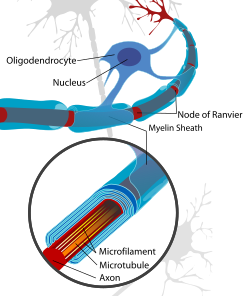
The study “Commitment to Aerobic Glycolysis Sustains Immunosuppression of Human Mesenchymal Stem Cells” was published in the journal Stem Cells Translational Medicine.
The research, led by a team at the Florida A&M University-Florida State University (FAMU-FSU), College of Engineering, found that hMSCs in adults can be manipulated to work in an energy-producing mode that promotes the resolution of inflammation during response to tissue injury.
hMSCs have gained extensive interest as an “off-the-shelf” potential cell therapy in the field of regenerative medicine. These type of stem cells are known for their ease of harvesting from adult donors (e.g. blood, bone, and fat tissue), and their capacity to regenerate several tissue types.
More recently, it was proposed that the tissue repair properties of hMSCs rely on their ability to modulate immune responses and help resolve inflammation at the injured site. For this to happen, hMSCs need to adapt to the local microenvironment, including changing the way they use the available nutrients to produce their energy.
Scientists found that under inflammatory conditions, these cells use sugar (glucose) alone together with oxygen to produce their energy, a type of metabolism referred to as aerobic glycolysis. Importantly, when they use this type of energy-producing mechanism, their ability to inhibit inflammation gets enhanced.
Normally, human cells prefer to use glycolysis only when oxygen is limited (e.g., during intense exercise). But recent studies have suggested that cells use this process more frequently than thought, linking it to diverse cellular functions.
Researchers exposed hMSCs grown in the lab to a natural inflammatory trigger called interferon gamma (IFN‐γ), and looked at how they responded to this stimuli. The cells switched their metabolism toward glycolysis, which fueled their release of anti-inflammatory chemical messengers, or cytokines, and inhibited immune cell growth (specifically the proliferation of activated immune cells called T-cells).
In light of their findings, scientists propose that it one day may be possible to harness the metabolism of hMSCs “to enhance their immunomodulatory properties and therapeutic efficacy in various diseases,” the researchers wrote.
“The idea to use cells as ‘living medicine’ to cure disease has a long history,” Teng Ma, chair of the FAMU-FSU department of chemical and biomedical engineering and senior author of the study, said in an FSU news story by Kathleen Haughney.
“We are interested in how to produce the therapeutically competent cells from a limited donor source on a large-scale and to determine whether cells from older donors are as potent as the ones from young donors. Understanding how cells use energy seems to be a key factor,” Ma added.
In the future, researchers will focus on two goals. They will investigate how to better preserve hMSCs’ metabolism and restore older cells’ metabolism to improve their immunosuppressive properties and will test if these cells are capable to treat MS-like disease in animal models.
Source: multiplesclerosisnewstoday.com
Subscribe to:
Posts (Atom)