New ads.

Showing posts with label to. Show all posts

Tuesday, December 10, 2024

Who is Luigi Mangione: What to know about the ‘strong person of interest’ in shooting of UnitedHealthcare CEO Brian Thompson

Police followed a series of clues to identify and track down the suspect believed to have fatally shot UnitedHealthcare CEO Brian Thompson, according to the NYPD. On Monday, police responded to a tip from a McDonald’s employee in Altoona, Pennsylvania, who said they saw a man who looked like the person of interest police have been searching for. Mangione was eating in the McDonald’s when he was recognized by the employee, police said. The 26-year-old man was taken in for questioning, and it was discovered that he was in possession of a ghost gun that matches the weapon believed to have been used in the assassination-style killing, officials said at a press conference on Monday. The person of interest also had supresser for the gun and several fake identification cards, including a New Jersey ID that the NYPD believes was used by the gunman.
The person of interest was pictured in the back of a taxi (EPA) New York Mayor Eric Adams said that the man in custody matches the description of the person in the photos and that he possessed items connected to the killing. New York City Police Commissioner Jessica Tisch confirmed Mangione has been arrested on firearms charges. He is believed to be “our person of interest,” she told the press conference, and said it was down to a “combination of old-school detective work and new age technology” as well as the public that helped lead to the arrest.

Firm warning from Trump to NATO

Firm warning from Trump to NATO New US President Donald Trump has reiterated that the United States will leave the North Atlantic Alliance if the other NATO countries will not start contributing more. ‘If they pay their bills’ then the US will retain its role in NATO, Trump said in an exclusive interview with US broadcaster NBC. When the interviewer asked if he would leave the alliance if that does not happen, Trump replied in the affirmative. NATO members are supposed to spend 2 per cent of their GDP on defence, but many fail to meet that in reality, and that bothers Trump greatly. The United States alone accounts for 70 per cent of NATO's total budget, so Trump wants the other member states to contribute more.

Saturday, December 7, 2024

Melania Trump says heading to the White House for the second term is much different than the first

WASHINGTON (AP) — Soon-to-be first lady Melania Trump said Friday that preparing to enter the White House for the second time looks a lot different from the first go-around. Now, she and her husband know what to expect. “You know what you need to establish, you know what kind of people you need to hire for your office,” she said on “Fox & Friends” in a rare television appearance, where she showed off holiday ornaments she’s selling and her memoir as Christmas approaches. She said the pace has been fast, as Donald Trump works to build his administration: “It’s incredible and we are very, very busy.” She’s packing up so “we can start on Day 1.” She said her husband’s attitude after his 2024 win was not the same as when he won in 2016. “The country and the people really supported him,” she said. I think the energy is different. People around him are different.” The incoming first lady also praised her 18-year-old son Barron, crediting him with helping his father find new ways to reach the audience that elected him president. Trump has four other children. “He is a grown young man, I’m very proud of him about his knowledge, even about politics and giving advice to his father,” she said. “He brought in so many young people. He knows his generation.” She described working on her memoirs as a process that was “very personal and could be sometimes very joyful, but also traumatic and hard.”

Friday, December 6, 2024

The secret to our big brains might be in our gut

Brain tissue is among the most energetically costly in the body, and as a result, larger-brained mammals require more energy to support brain growth and maintenance. Exactly which biological changes allowed human ancestors to meet the very high needs for energy as they evolved larger brains has remained unclear. A new Northwestern University study points to the role of gut microbes, tiny living organisms in our digestive system that help break down food and produce energy.
In a controlled lab experiment, researchers implanted microbes from two large-brain primate species (human and squirrel monkey), and one small-brain primate species (macaque), into mice. Their findings showed the mice with microbes from large-brain primate species produced and used more energy, while those with microbes from the small-brain species stored more energy as fat. The data is the first to show gut microbes from different animal species shape variations in biology between animal species and supports the hypothesis that gut microbes might influence evolution by changing how an animal's body works. The study offers a new perspective on human evolution, particularly the evolution of our large brains. The findings will be published in the journal Microbial Genomics on Dec. 2. Prior studies have compared the influence of genes and the environment on primates with bigger and smallerbrains. However, there are very few studies comparing how different primates use energy. Even less information is available on how metabolism develops in different primate species. "We know the community of microbes living in the large intestine can produce compounds that affect aspects of human biology -- for example, causing changes to metabolism that can lead to insulin resistance and weight gain," said the study's first author Katherine Amato, associate professor of anthropology at Northwestern. "Variation in the gut microbiota is an unexplored mechanism in which primate metabolism could facilitate different brain-energetic requirements," Amato said. After introducing the gut microbes into microbe-free mice, the researchers measured changes in mouse physiology over time, glucose, liver function and other traits. They also measured differences in the types of microbes and the compounds they were producing in each group of mice. The researchers expected to find microbes from different primates would lead to differences in the biology of the mice inoculated with them. They also expected mice with human microbes to have the greatest difference in biology from mice with "While we did see that human-inoculated mice had some differences, the strongest pattern was the difference between large-brained primates (humans and squirrel monkeys) and smaller-brained primates (macaques)," Amato said. The mice given microbes from the humans and squirrel monkeys had similar biology, even though these two larger-brained primate species are not close evolutionary relatives of one another. This suggests something othermicrobes from the other two than shared ancestry -- likely their shared trait of large brains is driving the biological similarities seen in the mice inoculated with their microbes. "These findings suggest that when humans and squirrel monkeys both separately evolved larger brains, their microbial communities changed in similar ways to help provide the necessary energy," Amato said. In future studies, the researchers hope to run the experiment with microbes from additional primate species varying in brain size. They would also like to collect more information on the types of compounds the microbes are producing and gather additional data on the biological traits of the hosts such as immune function and behavior.species.including weight gain, fat percentage, fasting

Thursday, December 5, 2024

The United States is paralyzed...and it's not going to get any better

The United States is paralyzed...and it's not going to get any better The “Lake Effect” phenomenon is currently sweeping across the northeastern United States. The "Lake Effect" has resulted in an exceptional snowstorm, paralyzing part of the country, including Ohio, Michigan, Pennsylvania and New York - all regions bordering the Great Lakes. As reported by 20 Minutes, the “Lake Effect” occurs when cold winds cross the relatively warm waters of the Great Lakes. Air masses are created that capture the moisture in the lakes, which then condenses into snow when they hit the cold lands downstream. The amount of snowfall, mostly concentrated in narrow but intense bands, then increases sharply. Exceptional snowfalls Because temperatures on the Great Lakes are currently higher than the seasonal average, the meteorological phenomenon gains in energy and power, leading to substantial snowfalls. In some regions, snowfalls have reached 90 centimetres, and could even reach 2 metres by the end of the week. The consequences? Freeways are at a standstill, forcing drivers to spend the night in their cars or seek refuge in service stations. Heavy goods vehicles are also banned from certain main roads. What about the future? In the future, climate change could have a major impact on both the frequency and intensity of snowstorms associated with the lake effect. Shorter winters and longer periods of ice could help intensify the phenomenon. In the long term, if temperatures continue to rise, the snow could turn to rain, threatening the regions concerned with major flooding. Until the end of the week, and according to weather forecasts, snowfalls and strong winds are expected to continue to hit this part of the United States.

Saturday, November 30, 2024

p says Mexico's president promised to close the border. She begs to differ.

In what looks like a case of “he said, she said,” President-elect Donald Trump and Mexican President Claudia Sheinbaum appear to have starkly different recollections of a conversation that covered the hot-button issue of migration. After the phone chat late Wednesday, Trump wrote on social media that the Mexican leader had agreed to stop immigration through Mexico and to the United States. “Just had a wonderful conversation with the new President of Mexico, Claudia Sheinbaum Pardo. She has agreed to stop Migration through Mexico, and into the United States, effectively closing our Southern Border,” he said in a post on Truth Social. “It was a very productive conversation!” Sheinbaum’s account differed from Trump’s. “In our conversation with President Trump, I explained to him the comprehensive strategy that Mexico has followed to address the migration phenomenon, respecting human rights,” she said on X. “We reiterate that Mexico’s position is not to close borders but instead build bridges between government and people.” Earlier, Sheinbaum said she’d had an “excellent conversation with President Donald Trump.” “I shared with him that caravans weren’t arriving at the northern border because they are being served in Mexico,” she said in the post, referring the large groups of migrants traveling together in hopes of reaching the U.S.

Saturday, July 11, 2020

Vitamin D levels appear to play role in COVID-19 mortality rates

Vitamin D levels appear to play role in COVID-19 mortality rates

After studying global data from the novel coronavirus (COVID-19) pandemic, researchers have discovered a strong correlation between severe vitamin D deficiency and mortality rates.
Led by Northwestern University, the research team conducted a statistical analysis of data from hospitals and clinics across China, France, Germany, Italy, Iran, South Korea, Spain, Switzerland, the United Kingdom (UK) and the United States.
The researchers noted that patients from countries with high COVID-19 mortality rates, such as Italy, Spain and the UK, had lower levels of vitamin D compared to patients in countries that were not as severely affected.
This does not mean that everyone -- especially those without a known deficiency -- needs to start hoarding supplements, the researchers caution.
"While I think it is important for people to know that vitamin D deficiency might play a role in mortality, we don't need to push vitamin D on everybody," said Northwestern's Vadim Backman, who led the research. "This needs further study, and I hope our work will stimulate interest in this area. The data also may illuminate the mechanism of mortality, which, if proven, could lead to new therapeutic targets."
The research is available on medRxiv, a preprint server for health sciences.
Backman is the Walter Dill Scott Professor of Biomedical Engineering at Northwestern's McCormick School of Engineering. Ali Daneshkhah, a postdoctoral research associate in Backman's laboratory, is the paper's first author.
Backman and his team were inspired to examine vitamin D levels after noticing unexplained differences in COVID-19 mortality rates from country to country. Some people hypothesized that differences in healthcare quality, age distributions in population, testing rates or different strains of the coronavirus might be responsible. But Backman remained skeptical.
"None of these factors appears to play a significant role," Backman said. "The healthcare system in northern Italy is one of the best in the world. Differences in mortality exist even if one looks across the same age group. And, while the restrictions on testing do indeed vary, the disparities in mortality still exist even when we looked at countries or populations for which similar testing rates apply.
"Instead, we saw a significant correlation with vitamin D deficiency," he said.
By analyzing publicly available patient data from around the globe, Backman and his team discovered a strong correlation between vitamin D levels and cytokine storm -- a hyperinflammatory condition caused by an overactive immune system -- as well as a correlation between vitamin D deficiency and mortality.
"Cytokine storm can severely damage lungs and lead to acute respiratory distress syndrome and death in patients," Daneshkhah said. "This is what seems to kill a majority of COVID-19 patients, not the destruction of the lungs by the virus itself. It is the complications from the misdirected fire from the immune system."
This is exactly where Backman believes vitamin D plays a major role. Not only does vitamin D enhance our innate immune systems, it also prevents our immune systems from becoming dangerously overactive. This means that having healthy levels of vitamin D could protect patients against severe complications, including death, from COVID-19.
"Our analysis shows that it might be as high as cutting the mortality rate in half," Backman said. "It will not prevent a patient from contracting the virus, but it may reduce complications and prevent death in those who are infected."
Backman said this correlation might help explain the many mysteries surrounding COVID-19, such as why children are less likely to die. Children do not yet have a fully developed acquired immune system, which is the immune system's second line of defense and more likely to overreact.
"Children primarily rely on their innate immune system," Backman said. "This may explain why their mortality rate is lower."
Backman is careful to note that people should not take excessive doses of vitamin D, which might come with negative side effects. He said the subject needs much more research to know how vitamin D could be used most effectively to protect against COVID-19 complications.
"It is hard to say which dose is most beneficial for COVID-19," Backman said. "However, it is clear that vitamin D deficiency is harmful, and it can be easily addressed with appropriate supplementation. This might be another key to helping protect vulnerable populations, such as African-American and elderly patients, who have a prevalence of vitamin D deficiency."
Backman is the director of Northwestern's Center for Physical Genomics and Engineering and the associate director for Research Technology and Infrastructure at the Robert H. Lurie Comprehensive Cancer Center at Northwestern University.

Story Source:
Materials provided by Northwestern University. Original written by Amanda Morris. Note: Content may be edited for style and length.

Journal Reference:
  1. Ali Daneshkhah, Vasundhara Agrawal, Adam Eshein, Hariharan Subramanian, Hemant Kumar Roy, Vadim Backman. The Possible Role of Vitamin D in Suppressing Cytokine Storm and Associated Mortality in COVID-19 PatientsmedRxiv, Posted April 30, 2020; [link]

To find giant black holes, start with Jupiter

Illustration of black | Credit: © vchalup / stock.adobe.com
Illustration of black hole, warped spacetime (stock image).

The revolution in our understanding of the night sky and our place in the universe began when we transitioned from using the naked eye to a telescope in 1609. Four centuries later, scientists are experiencing a similar transition in their knowledge of black holes by searching for gravitational waves.
In the search for previously undetected black holes that are billions of times more massive than the sun, Stephen Taylor, assistant professor of physics and astronomy and former astronomer at NASA's Jet Propulsion Laboratory (JPL) together with the North American Nanohertz Observatory for Gravitational Waves (NANOGrav) collaboration has moved the field of research forward by finding the precise location -- the center of gravity of our solar system -- with which to measure the gravitational waves that signal the existence of these black holes.
The potential presented by this advancement, co-authored by Taylor, was published in the journal the Astrophysical Journal in April 2020.
Black holes are regions of pure gravity formed from extremely warped spacetime. Finding the most titanic black holes in the Universe that lurk at the heart of galaxies will help us understand how such galaxies (including our own) have grown and evolved over the billions of years since their formation. These black holes are also unrivaled laboratories for testing fundamental assumptions about physics.
Gravitational waves are ripples in spacetime predicted by Einstein's general theory of relativity. When black holes orbit each other in pairs, they radiate gravitational waves that deform spacetime, stretching and squeezing space. Gravitational waves were first detected by the Laser Interferometer Gravitational-Wave Observatory (LIGO) in 2015, opening new vistas on the most extreme objects in the universe. Whereas LIGO observes relatively short gravitational waves by looking for changes in the shape of a 4-km long detector, NANOGrav, a National Science Foundation (NSF) Physics Frontiers Center, looks for changes in the shape of our entire galaxy.
Taylor and his team are searching for changes to the arrival rate of regular flashes of radio waves from pulsars. These pulsars are rapidly spinning neutron stars, some going as fast as a kitchen blender. They also send out beams of radio waves, appearing like interstellar lighthouses when these beams sweep over Earth. Over 15 years of data have shown that these pulsars are extremely reliable in their pulse arrival rates, acting as outstanding galactic clocks. Any timing deviations that are correlated across lots of these pulsars could signal the influence of gravitational waves warping our galaxy.
"Using the pulsars we observe across the Milky Way galaxy, we are trying to be like a spider sitting in stillness in the middle of her web," explains Taylor. "How well we understand the solar system barycenter is critical as we attempt to sense even the smallest tingle to the web." The solar system barycenter, its center of gravity, is the location where the masses of all planets, moons, and asteroids balance out.
Where is the center of our web, the location of absolute stillness in our solar system? Not in the center of the sun as many might assume, rather it is closer to the surface of the star. This is due to Jupiter's mass and our imperfect knowledge of its orbit. It takes 12 years for Jupiter to orbit the sun, just shy of the 15 years that NANOGrav has been collecting data. JPL's Galileo probe (named for the famed scientist that used a telescope to observe the moons of Jupiter) studied Jupiter between 1995 and 2003, but experienced technical maladies that impacted the quality of the measurements taken during the mission.
Identifying the center of the solar system's gravity has long been calculated with data from Doppler tracking to get an estimate of the location and trajectories of bodies orbiting the sun. "The catch is that errors in the masses and orbits will translate to pulsar-timing artifacts that may well look like gravitational waves," explains JPL astronomer and co-author Joe Simon.
Taylor and his collaborators were finding that working with existing solar system models to analyze NANOGrav data gave inconsistent results. "We weren't detecting anything significant in our gravitational wave searches between solar system models, but we were getting large systematic differences in our calculations," notes JPL astronomer and the paper's lead author Michele Vallisneri. "Typically, more data delivers a more precise result, but there was always an offset in our calculations."
The group decided to search for the center of gravity of the solar system at the same time as sleuthing for gravitational waves. The researchers got more robust answers to finding gravitational waves and were able to more accurately localize the center of the solar system's gravity to within 100 meters. To understand that scale, if the sun were the size of a football field, 100 meters would be the diameter of a strand of hair. "Our precise observation of pulsars scattered across the galaxy has localized ourselves in the cosmos better than we ever could before," said Taylor. "By finding gravitational waves this way, in addition to other experiments, we gain a more holistic overview of all different kinds of black holes in the Universe."
As NANOGrav continues to collect ever more abundant and precise pulsar timing data, astronomers are confident that massive black holes will show up soon and unequivocally in the data.
Taylor was partially supported by an appointment to the NASA Postdoctoral Program at JPL. The NANOGrav project receives support from the NSF Physics Frontier Center award #1430284 and this work was supported in part by NSF Grant PHYS-1066293 and by the hospitality of the Aspen Center for Physics. Data for this project were collected using the facilities of the Green Bank Observatory and the Arecibo Observatory.

Story Source:
Materials provided by Vanderbilt University. Original written by Marissa Shapiro. Note: Content may be edited for style and length.

Journal Reference:
  1. M. Vallisneri, S. R. Taylor, J. Simon, W. M. Folkner, R. S. Park, C. Cutler, J. A. Ellis, T. J. W. Lazio, S. J. Vigeland, K. Aggarwal, Z. Arzoumanian, P. T. Baker, A. Brazier, P. R. Brook, S. Burke-Spolaor, S. Chatterjee, J. M. Cordes, N. J. Cornish, F. Crawford, H. T. Cromartie, K. Crowter, M. DeCesar, P. B. Demorest, T. Dolch, R. D. Ferdman, E. C. Ferrara, E. Fonseca, N. Garver-Daniels, P. Gentile, D. Good, J. S. Hazboun, A. M. Holgado, E. A. Huerta, K. Islo, R. Jennings, G. Jones, M. L. Jones, D. L. Kaplan, L. Z. Kelley, J. S. Key, M. T. Lam, L. Levin, D. R. Lorimer, J. Luo, R. S. Lynch, D. R. Madison, M. A. McLaughlin, S. T. McWilliams, C. M. F. Mingarelli, C. Ng, D. J. Nice, T. T. Pennucci, N. S. Pol, S. M. Ransom, P. S. Ray, X. Siemens, R. Spiewak, I. H. Stairs, D. R. Stinebring, K. Stovall, J. K. Swiggum, R. van Haasteren, C. A. Witt, W. W. Zhu. Modeling the Uncertainties of Solar System Ephemerides for Robust Gravitational-wave Searches with Pulsar-timing ArraysThe Astrophysical Journal, 2020; 893 (2): 112 DOI: 10.3847/1538-4357/ab7b67

Wednesday, May 20, 2020

Our ability to focus may falter after eating one meal high in saturated fat

Our ability to focus may falter after eating one meal high in saturated fat

Fatty food may feel like a friend during these troubled times, but new research suggests that eating just one meal high in saturated fat can hinder our ability to concentrate -- not great news for people whose diets have gone south while they're working at home during the COVID-19 pandemic.
The study compared how 51 women performed on a test of their attention after they ate either a meal high in saturated fat or the same meal made with sunflower oil, which is high in unsaturated fat.
Their performance on the test was worse after eating the high-saturated-fat meal than after they ate the meal containing a healthier fat, signaling a link between that fatty food and the brain.
Researchers were also looking at whether a condition called leaky gut, which allows intestinal bacteria to enter the bloodstream, had any effect on concentration. Participants with leakier guts performed worse on the attention assessment no matter which meal they had eaten.
The loss of focus after a single meal was eye-opening for the researchers.
"Most prior work looking at the causative effect of the diet has looked over a period of time. And this was just one meal -- it's pretty remarkable that we saw a difference," said Annelise Madison, lead author of the study and a graduate student in clinical psychology at The Ohio State University.
Madison also noted that the meal made with sunflower oil, while low in saturated fat, still contained a lot of dietary fat.
"Because both meals were high-fat and potentially problematic, the high-saturated-fat meal's cognitive effect could be even greater if it were compared to a lower-fat meal," she said.
The study is published in the American Journal of Clinical Nutrition.
Madison works in the lab of Janice Kiecolt-Glaser, professor of psychiatry and psychology and director of the Institute for Behavioral Medicine Research at Ohio State. For this work, Madison conducted a secondary analysis of data from Kiecolt-Glaser's study assessing whether high-fat meals increased fatigue and inflammation among cancer survivors.
Women in the study completed a baseline assessment of their attention during a morning visit to the lab. The tool, called a continuous performance test, is a measure of sustained attention, concentration and reaction time based on 10 minutes of computer-based activities.
The high-fat meal followed: eggs, biscuits, turkey sausage and gravy containing 60 grams of fat, either a palmitic acid-based oil high in saturated fat or the lower-saturated-fat sunflower oil. Both meals totaled 930 calories and were designed to mimic the contents of various fast-food meals such as a Burger King double whopper with cheese or a McDonald's Big Mac and medium fries.
Five hours later, the women took the continuous performance test again. Between one and four weeks later, they repeated these steps, eating the opposite meal of what they had eaten on the first visit.
Researchers also analyzed participants' fasting baseline blood samples to determine whether they contained an inflammatory molecule that signals the presence of endotoxemia -- the toxin that escapes from the intestines and enters the bloodstream when the gut barrier is compromised.
After eating the meal high in saturated fat, all of the participating women were, on average, 11 percent less able to detect target stimuli in the attention assessment. Concentration lapses were also apparent in the women with signs of leaky gut: Their response times were more erratic and they were less able to sustain their attention during the 10-minute test.
"If the women had high levels of endotoxemia, it also wiped out the between-meal differences. They were performing poorly no matter what type of fat they ate," Madison said.
Though the study didn't determine what was going on in the brain, Madison said previous research has suggested that food high in saturated fat can drive up inflammation throughout the body, and possibly the brain. Fatty acids also can cross the blood-brain barrier.
"It could be that fatty acids are interacting with the brain directly. What it does show is the power of gut-related dysregulation," she said.
The statistical analysis accounted for other potential influences on cognition, including depressive symptoms and the participants' average dietary saturated fat consumption. The women in the study ate three standardized meals and fasted for 12 hours before each lab visit to reduce diet variations that could affect their physiological response to the high-fat meals.
The findings suggest concentration could be even more impaired in people stressed by the pandemic who are turning to fatty foods for comfort, Kiecolt-Glaser said.
"What we know is that when people are more anxious, a good subset of us will find high-saturated-fat food more enticing than broccoli," she said. "We know from other research that depression and anxiety can interfere with concentration and attention as well. When we add that on top of the high-fat meal, we could expect the real-world effects to be even larger."
This work was supported in part by the National Institutes of Health.
Additional co-authors, all from Ohio State, included Martha Belury, Rebecca Andridge, M. Rosie Shrout, Megan Renna, William Malarkey and Michael Bailey.


Story Source:
Materials provided by Ohio State University. Original written by Emily Caldwell. Note: Content may be edited for style and length.

Journal Reference:
  1. Janice K Kiecolt-Glaser, Michael T Bailey, William B Malarkey, Megan E Renna, M Rosie Shrout, Rebecca Andridge, Martha A Belury, Annelise A Madison. Afternoon distraction: a high-saturated-fat meal and endotoxemia impact postmeal attention in a randomized crossover trialThe American Journal of Clinical Nutrition, 2020; DOI: 10.1093/ajcn/nqaa085

Vitamin D levels appear to play role in COVID-19 mortality rates

Doctor, vitamin D concept (stock image). | Credit: © Michail Petrov / stock.adobe.com
Doctor, vitamin D concept (stock image).

After studying global data from the novel coronavirus (COVID-19) pandemic, researchers have discovered a strong correlation between severe vitamin D deficiency and mortality rates.
Led by Northwestern University, the research team conducted a statistical analysis of data from hospitals and clinics across China, France, Germany, Italy, Iran, South Korea, Spain, Switzerland, the United Kingdom (UK) and the United States.
The researchers noted that patients from countries with high COVID-19 mortality rates, such as Italy, Spain and the UK, had lower levels of vitamin D compared to patients in countries that were not as severely affected.
This does not mean that everyone -- especially those without a known deficiency -- needs to start hoarding supplements, the researchers caution.
"While I think it is important for people to know that vitamin D deficiency might play a role in mortality, we don't need to push vitamin D on everybody," said Northwestern's Vadim Backman, who led the research. "This needs further study, and I hope our work will stimulate interest in this area. The data also may illuminate the mechanism of mortality, which, if proven, could lead to new therapeutic targets."
The research is available on medRxiv, a preprint server for health sciences.
Backman is the Walter Dill Scott Professor of Biomedical Engineering at Northwestern's McCormick School of Engineering. Ali Daneshkhah, a postdoctoral research associate in Backman's laboratory, is the paper's first author.
Backman and his team were inspired to examine vitamin D levels after noticing unexplained differences in COVID-19 mortality rates from country to country. Some people hypothesized that differences in healthcare quality, age distributions in population, testing rates or different strains of the coronavirus might be responsible. But Backman remained skeptical.
"None of these factors appears to play a significant role," Backman said. "The healthcare system in northern Italy is one of the best in the world. Differences in mortality exist even if one looks across the same age group. And, while the restrictions on testing do indeed vary, the disparities in mortality still exist even when we looked at countries or populations for which similar testing rates apply.
"Instead, we saw a significant correlation with vitamin D deficiency," he said.
By analyzing publicly available patient data from around the globe, Backman and his team discovered a strong correlation between vitamin D levels and cytokine storm -- a hyperinflammatory condition caused by an overactive immune system -- as well as a correlation between vitamin D deficiency and mortality.
"Cytokine storm can severely damage lungs and lead to acute respiratory distress syndrome and death in patients," Daneshkhah said. "This is what seems to kill a majority of COVID-19 patients, not the destruction of the lungs by the virus itself. It is the complications from the misdirected fire from the immune system."
This is exactly where Backman believes vitamin D plays a major role. Not only does vitamin D enhance our innate immune systems, it also prevents our immune systems from becoming dangerously overactive. This means that having healthy levels of vitamin D could protect patients against severe complications, including death, from COVID-19.
"Our analysis shows that it might be as high as cutting the mortality rate in half," Backman said. "It will not prevent a patient from contracting the virus, but it may reduce complications and prevent death in those who are infected."
Backman said this correlation might help explain the many mysteries surrounding COVID-19, such as why children are less likely to die. Children do not yet have a fully developed acquired immune system, which is the immune system's second line of defense and more likely to overreact.
"Children primarily rely on their innate immune system," Backman said. "This may explain why their mortality rate is lower."
Backman is careful to note that people should not take excessive doses of vitamin D, which might come with negative side effects. He said the subject needs much more research to know how vitamin D could be used most effectively to protect against COVID-19 complications.
"It is hard to say which dose is most beneficial for COVID-19," Backman said. "However, it is clear that vitamin D deficiency is harmful, and it can be easily addressed with appropriate supplementation. This might be another key to helping protect vulnerable populations, such as African-American and elderly patients, who have a prevalence of vitamin D deficiency."
Backman is the director of Northwestern's Center for Physical Genomics and Engineering and the associate director for Research Technology and Infrastructure at the Robert H. Lurie Comprehensive Cancer Center at Northwestern University.

Story Source:
Materials provided by Northwestern University. Original written by Amanda Morris. Note: Content may be edited for style and length.

Journal Reference:
  1. Ali Daneshkhah, Vasundhara Agrawal, Adam Eshein, Hariharan Subramanian, Hemant Kumar Roy, Vadim Backman. The Possible Role of Vitamin D in Suppressing Cytokine Storm and Associated Mortality in COVID-19 PatientsmedRxiv, Posted April 30, 2020; [link]

Thursday, March 5, 2020

Janssen Asks EMA to Approve Oral Ponesimod to Treat Relapsing MS

Janssen Asks EMA to Approve Oral Ponesimod to Treat Relapsing MS

Janssen has submitted an application to the European Medicines Agency (EMA) asking that ponesimod be approved as an oral treatment for adults with relapsing multiple sclerosis (MS) in the European Union.
Ponesimod (formerly ACT-128800) is an experimental treatment that targets the sphingosine-1-phosphate receptor 1 (S1P1), and reportedly with high selectivity. In doing so, it works to ‘trap’ immune cells in lymph nodes, limiting the damage they can do to the nervous system.
The MS therapies Gilenya (fingolimod) and Mayzent (siponimod), both of which are already approved in Europe, are also S1P1 receptor modulators, working through a similar mechanism of action.
The company’s Marketing Authorisation Application for ponesimod is based on data from the Phase 3 clinical trial OPTIMUM (NCT02425644). In this trial, 1,133 people with relapsing-remitting MS (RRMS) or active secondary progressive MS  (SPMS) were randomly assigned to either ponesimod at 20 mg or Aubagio (teriflunomide) at 14 mg, both taken by mouth once a day for two years (108 weeks).
Aubagio, by Sanofi, is an approved first-line therapy for MS. Like ponesimod, it works by reducing the activity of the immune system, albeit through different mechanisms.
Topline results from OPTIMUM showed that the annualized relapse rate (ARR) was significantly reduced by 30.5% with ponesimod, as compared to Aubagio, treatment — on average, 0.202 relapses per year in the ponesimod group and 0.290 among those given Aubagio.
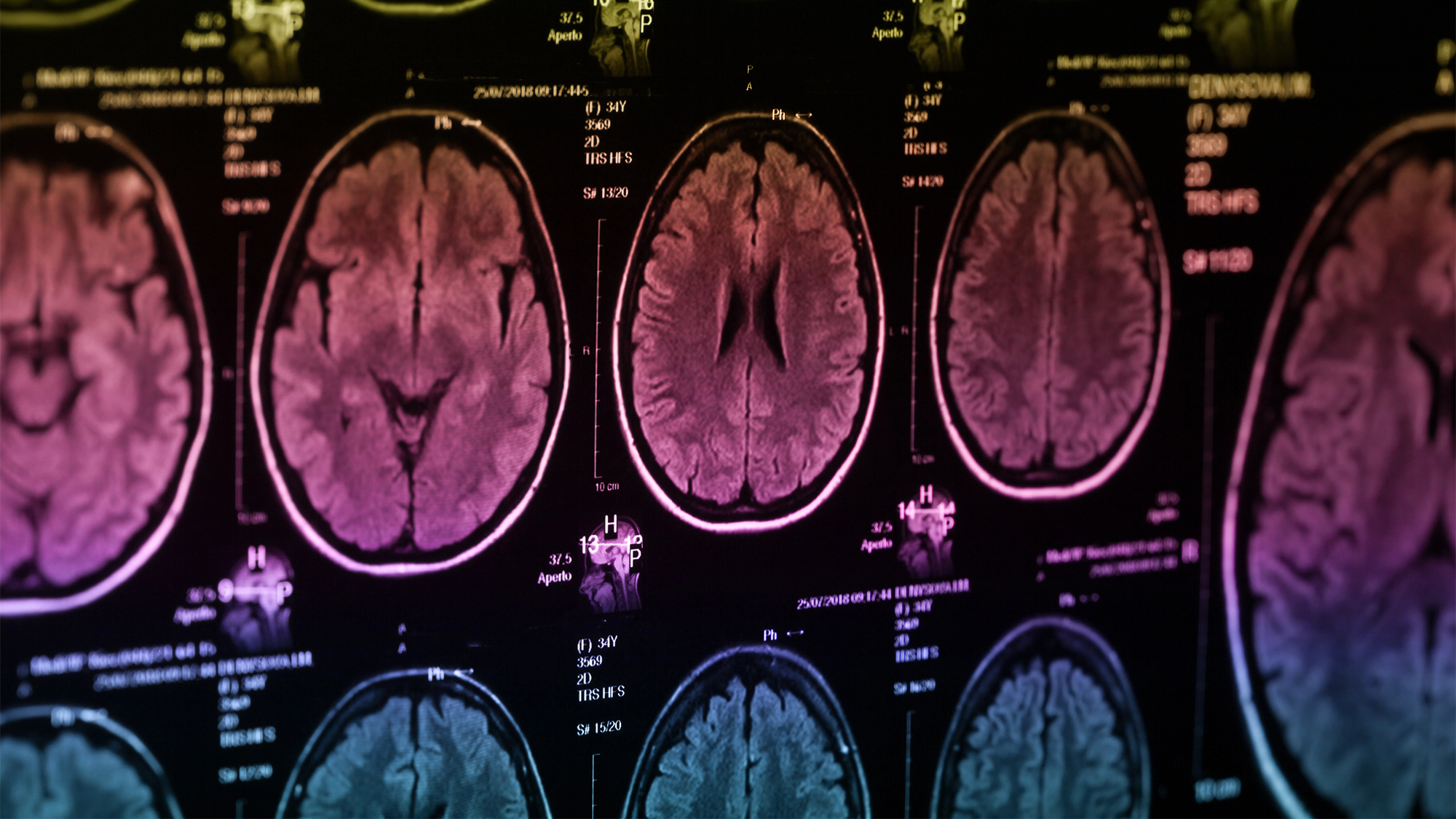
A significant reduction (56%) in the number of new active, inflammatory brain lesions visible on a magnetic resonance imaging (MRI) scan was also seen with ponesimod treatment, as compared to Aubagio. There was also a trend towards lesser disability progression with ponesimod, but this did not reach statistical significance.
Ponesimod did lead to a statistically significant reduction in reported fatigue relative to Aubagio.
“Fatigue remains a challenging, yet invisible, symptom among those living with MS. We are encouraged by the results ponesimod shows in alleviating this symptom, as well as the reduction in new inflammatory lesions and disability accumulation,” Husseini Manji, MD, FRCPC, the Global Therapeutic Area head for Neuroscience at Janssen Research & Development, said in a press release.
“We look forward to collaborating closely with the EMA as the application process progresses,” Manji added.
Ponesimod’s safety was consistent with the that reported in previous trials, and with the known safety profile of other S1P receptor modulators.
“More than 2.3 million people worldwide live with MS — including 700,000 in Europe alone — and of this population, approximately 85 percent are initially diagnosed with relapsing MS. This submission is an important milestone as we work to bring a new treatment option to those living with relapsing forms of MS,” Mathai Mammen, MD, PhD, the global head of Janssen Research & Development, concluded.
Marisa holds an MS in Cellular and Molecular Pathology from the University of Pittsburgh, where she studied novel genetic drivers of ovarian cancer. She specializes in cancer biology, immunology, and genetics. Marisa began working with BioNews in 2018, and has written about science and health for SelfHacked and the Genetics Society of America. She also writes/composes musicals and coaches the University of Pittsburgh fencing club.

Saturday, February 8, 2020

Grey seals discovered clapping underwater to communicate

Seal swimming underwater (stock image). | Credit: (c) RLS Photo / stock.adobe.com
Seal swimming underwater (stock image).

Marine mammals like whales and seals usually communicate vocally using calls and whistles.
But now a Monash University-led international study has discovered that wild grey seals can also clap their flippers underwater during the breeding season, as a show of strength that warns off competitors and advertises to potential mates.
This is the first time a seal has been seen clapping completely underwater using its front flippers.
"The discovery of 'clapping seals' might not seem that surprising, after all, they're famous for clapping in zoos and aquaria," said lead study author Dr David Hocking from Monash University's School of Biological Sciences.
"But where zoo animals are often trained to clap for our entertainment -- these grey seals are doing it in the wild of their own accord."
The research, published today in the journal Marine Mammal Science, is based on video footage collected by naturalist Dr Ben Burville, a Visiting Researcher with Newcastle University, UK.
The footage -- which took Dr Burville 17 years of diving to catch on film -- shows a male grey seal clapping its paw-like flippers to produce a gunshot-like 'crack!' sound.
"The clap was incredibly loud and at first I found it hard to believe what I had seen," Dr Burville said.
"How could a seal make such a loud clap underwater with no air to compress between its flippers?"
"Other marine mammal species can produce similar types of percussive sound by slapping the water with their body or tail," said Associate Professor Alistair Evans from Monash University, who was also involved in the study.
The loud high-frequency noise produced by clapping cuts through background noise, sending out a clear signal to any other seals in the area.
"Depending on the context, the claps may help to ward off competitors and/or attract potential mates," Dr Hocking said.
"Think of a chest-beating male gorilla, for example. Like seal claps, those chest beats carry two messages: I am strong, stay away; and I am strong, my genes are good."
Dr Hocking said clapping seals demonstrates just how much there still is to learn about the animals living around us.
Clapping appears to be an important social behaviour for grey seals, so anything that disturbed it could impact breeding success and survival for this species.
"Human noise pollution is known to interfere with other forms of marine mammal communication, including whale song," Dr Hocking said.
"But if we do not know a behaviour exists, we cannot easily act to protect it."
Understanding the animals around us better may just help us to protect them, and their way of life.

Story Source:
Materials provided by Monash UniversityNote: Content may be edited for style and length.

Friday, January 24, 2020

Mosquitoes engineered to repel dengue virus

Aedes aegypti mosquito (stock image). | Credit: (c) tacio philip / stock.adobe.com
Aedes aegypti mosquito (stock image).

An international team of scientists has synthetically engineered mosquitoes that halt the transmission of the dengue virus.
Led by biologists at the University of California San Diego, the research team describes details of the achievement in Aedes aegypti mosquitoes, the insects that spread dengue in humans, on January 16 in the journal PLOS Pathogens.
Researchers in UC San Diego Associate Professor Omar Akbari's lab worked with colleagues at Vanderbilt University Medical Center in identifying a broad spectrum human antibody for dengue suppression. The development marks the first engineered approach in mosquitoes that targets the four known types of dengue, improving upon previous designs that addressed single strains.
They then designed the antibody "cargo" to be synthetically expressed in female A. aegypti mosquitoes, which spread the dengue virus.
"Once the female mosquito takes in blood, the antibody is activated and expressed -- that's the trigger," said Akbari, of the Division of Biological Sciences and a member of the Tata Institute for Genetics and Society. "The antibody is able to hinder the replication of the virus and prevent its dissemination throughout the mosquito, which then prevents its transmission to humans. It's a powerful approach."
Akbari said the engineered mosquitoes could easily be paired with a dissemination system, such as a gene drive based on CRISPR/CAS-9 technology, capable of spreading the antibody throughout wild disease-transmitting mosquito populations.
"It is fascinating that we now can transfer genes from the human immune system to confer immunity to mosquitoes. This work opens up a whole new field of biotechnology possibilities to interrupt mosquito-borne diseases of man," said coauthor James Crowe, Jr., M.D., director of the Vanderbilt Vaccine Center at Vanderbilt University Medical Center in Nashville, Tenn.
According to the World Health Organization, dengue virus threatens millions of people in tropical and sub-tropical climates. Severe dengue is a leading cause of serious illness and death among children in many Asian and Latin American countries. The Pan American Health Organization recently reported the highest number of dengue cases ever recorded in the Americas. Infecting those with compromised immune systems, dengue victims suffer flu-like symptoms, including severe fevers and rashes. Serious cases can include life-threatening bleeding. Currently no specific treatment exists and thus prevention and control depend on measures that stop the spread of the virus.
"This development means that in the foreseeable future there may be viable genetic approaches to controlling dengue virus in the field, which could limit human suffering and mortality," said Akbari, whose lab is now in the early stages of testing methods to simultaneously neutralize mosquitoes against dengue and a suite of other viruses such as Zika, yellow fever and chikungunya.
"Mosquitoes have been given the bad rap of being the deadliest killers on the planet because they are the messengers that transmit diseases like malaria, dengue, chikungunya, Zika and yellow fever that collectively put 6.5 billion people at risk globally," said Suresh Subramani, professor emeritus of molecular biology at UC San Diego and global director of the Tata Institute for Genetics and Society (TIGS). "Until recently, the world has focused on shooting (killing) this messenger. Work from the Akbari lab and at TIGS is aimed at disarming the mosquito instead by preventing it from transmitting diseases, without killing the messenger. This paper shows that it is possible to immunize mosquitoes and prevent their ability to transmit dengue virus, and potentially other mosquito-borne pathogens."
Coauthors of the research include: UC San Diego graduate student Stephanie Gamez; Anna Buchman and Ming Li of the Section of Cell and Developmental Biology, Division of Biological Sciences, UC San Diego; Igor Antoshechkin of the California Institute of Technology, Shin-Hang Lee, Shin-Wei Wang and Chun-Hong Chen of the National Health Research Institutes (Taiwan); and Melissa Klein, Jean-Bernard Duchemin and Prasad Paradkar of CSIRO Health and Biosecurity.

Story Source:
Materials provided by University of California - San Diego. Original written by Mario Aguilera. Note: Content may be edited for style and length.