Showing posts with label our. Show all posts
Showing posts with label our. Show all posts
Friday, December 6, 2024
The secret to our big brains might be in our gut
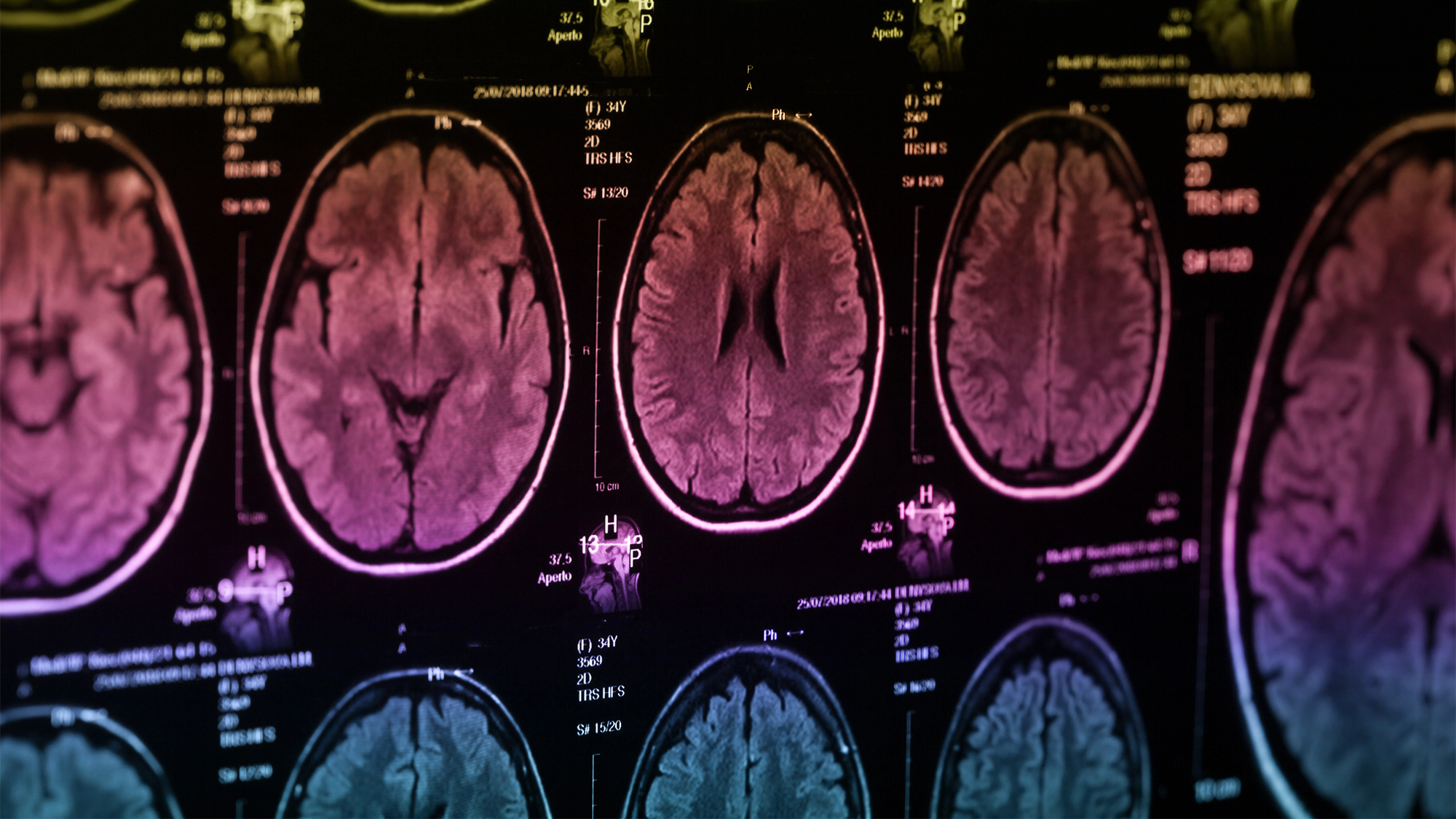
Brain tissue is among the most energetically costly in the body, and as a result, larger-brained mammals require more energy to support brain growth and maintenance. Exactly which biological changes allowed human ancestors to meet the very high needs for energy as they evolved larger brains has remained unclear. A new Northwestern University study points to the role of gut microbes, tiny living organisms in our digestive system that help break down food and produce energy.
In a controlled lab experiment, researchers implanted microbes from two large-brain primate species (human and squirrel monkey), and one small-brain primate species (macaque), into mice.
Their findings showed the mice with microbes from large-brain primate species produced and used more energy, while those with microbes from the small-brain species stored more energy as fat.
The data is the first to show gut microbes from different animal species shape variations in biology between animal species and supports the hypothesis that gut microbes might influence evolution by changing how an animal's body works.
The study offers a new perspective on human evolution, particularly the evolution of our large brains.
The findings will be published in the journal Microbial Genomics on Dec. 2.
Prior studies have compared the influence of genes and the environment on primates with bigger and smallerbrains. However, there are very few studies comparing how different primates use energy. Even less information is available on how metabolism develops in different primate species.
"We know the community of microbes living in the large intestine can produce compounds that affect aspects of human biology -- for example, causing changes to metabolism that can lead to insulin resistance and weight gain," said the study's first author Katherine Amato, associate professor of anthropology at Northwestern.
"Variation in the gut microbiota is an unexplored mechanism in which primate metabolism could facilitate different brain-energetic requirements," Amato said.
After introducing the gut microbes into microbe-free mice, the researchers measured changes in mouse physiology over time, glucose, liver function and other traits. They also measured differences in the types of microbes and the compounds they were producing in each group of mice.
The researchers expected to find microbes from different primates would lead to differences in the biology of the mice inoculated with them. They also expected mice with human microbes to have the greatest difference in biology from mice with "While we did see that human-inoculated mice had some differences, the strongest pattern was the difference between large-brained primates (humans and squirrel monkeys) and smaller-brained primates (macaques)," Amato said.
The mice given microbes from the humans and squirrel monkeys had similar biology, even though these two larger-brained primate species are not close evolutionary relatives of one another. This suggests something othermicrobes from the other two than shared ancestry -- likely their shared trait of large brains is driving the biological similarities seen in the mice inoculated with their microbes.
"These findings suggest that when humans and squirrel monkeys both separately evolved larger brains, their microbial communities changed in similar ways to help provide the necessary energy," Amato said.
In future studies, the researchers hope to run the experiment with microbes from additional primate species varying in brain size. They would also like to collect more information on the types of compounds the microbes are producing and gather additional data on the biological traits of the hosts such as immune function and behavior.species.including weight gain, fat percentage, fasting

Wednesday, May 20, 2020
Our ability to focus may falter after eating one meal high in saturated fat

Our ability to focus may falter after eating one meal high in saturated fat
Fatty food may feel like a friend during these troubled times, but new research suggests that eating just one meal high in saturated fat can hinder our ability to concentrate -- not great news for people whose diets have gone south while they're working at home during the COVID-19 pandemic.
The study compared how 51 women performed on a test of their attention after they ate either a meal high in saturated fat or the same meal made with sunflower oil, which is high in unsaturated fat.
Their performance on the test was worse after eating the high-saturated-fat meal than after they ate the meal containing a healthier fat, signaling a link between that fatty food and the brain.
Researchers were also looking at whether a condition called leaky gut, which allows intestinal bacteria to enter the bloodstream, had any effect on concentration. Participants with leakier guts performed worse on the attention assessment no matter which meal they had eaten.
The loss of focus after a single meal was eye-opening for the researchers.
"Most prior work looking at the causative effect of the diet has looked over a period of time. And this was just one meal -- it's pretty remarkable that we saw a difference," said Annelise Madison, lead author of the study and a graduate student in clinical psychology at The Ohio State University.
Madison also noted that the meal made with sunflower oil, while low in saturated fat, still contained a lot of dietary fat.
"Because both meals were high-fat and potentially problematic, the high-saturated-fat meal's cognitive effect could be even greater if it were compared to a lower-fat meal," she said.
The study is published in the American Journal of Clinical Nutrition.
Madison works in the lab of Janice Kiecolt-Glaser, professor of psychiatry and psychology and director of the Institute for Behavioral Medicine Research at Ohio State. For this work, Madison conducted a secondary analysis of data from Kiecolt-Glaser's study assessing whether high-fat meals increased fatigue and inflammation among cancer survivors.
Women in the study completed a baseline assessment of their attention during a morning visit to the lab. The tool, called a continuous performance test, is a measure of sustained attention, concentration and reaction time based on 10 minutes of computer-based activities.
The high-fat meal followed: eggs, biscuits, turkey sausage and gravy containing 60 grams of fat, either a palmitic acid-based oil high in saturated fat or the lower-saturated-fat sunflower oil. Both meals totaled 930 calories and were designed to mimic the contents of various fast-food meals such as a Burger King double whopper with cheese or a McDonald's Big Mac and medium fries.
Five hours later, the women took the continuous performance test again. Between one and four weeks later, they repeated these steps, eating the opposite meal of what they had eaten on the first visit.
Researchers also analyzed participants' fasting baseline blood samples to determine whether they contained an inflammatory molecule that signals the presence of endotoxemia -- the toxin that escapes from the intestines and enters the bloodstream when the gut barrier is compromised.
After eating the meal high in saturated fat, all of the participating women were, on average, 11 percent less able to detect target stimuli in the attention assessment. Concentration lapses were also apparent in the women with signs of leaky gut: Their response times were more erratic and they were less able to sustain their attention during the 10-minute test.
"If the women had high levels of endotoxemia, it also wiped out the between-meal differences. They were performing poorly no matter what type of fat they ate," Madison said.
Though the study didn't determine what was going on in the brain, Madison said previous research has suggested that food high in saturated fat can drive up inflammation throughout the body, and possibly the brain. Fatty acids also can cross the blood-brain barrier.
"It could be that fatty acids are interacting with the brain directly. What it does show is the power of gut-related dysregulation," she said.
The statistical analysis accounted for other potential influences on cognition, including depressive symptoms and the participants' average dietary saturated fat consumption. The women in the study ate three standardized meals and fasted for 12 hours before each lab visit to reduce diet variations that could affect their physiological response to the high-fat meals.
The findings suggest concentration could be even more impaired in people stressed by the pandemic who are turning to fatty foods for comfort, Kiecolt-Glaser said.
"What we know is that when people are more anxious, a good subset of us will find high-saturated-fat food more enticing than broccoli," she said. "We know from other research that depression and anxiety can interfere with concentration and attention as well. When we add that on top of the high-fat meal, we could expect the real-world effects to be even larger."
This work was supported in part by the National Institutes of Health.
Additional co-authors, all from Ohio State, included Martha Belury, Rebecca Andridge, M. Rosie Shrout, Megan Renna, William Malarkey and Michael Bailey.
Story Source:
Materials provided by Ohio State University. Original written by Emily Caldwell. Note: Content may be edited for style and length.
Journal Reference:
- Janice K Kiecolt-Glaser, Michael T Bailey, William B Malarkey, Megan E Renna, M Rosie Shrout, Rebecca Andridge, Martha A Belury, Annelise A Madison. Afternoon distraction: a high-saturated-fat meal and endotoxemia impact postmeal attention in a randomized crossover trial. The American Journal of Clinical Nutrition, 2020; DOI: 10.1093/ajcn/nqaa085
Tuesday, December 24, 2019
Was a Star Ejected from Our Central Black Hole?

Was a Star Ejected from Our Central Black Hole?
Generally thought to be the point of no return, our very own black hole seems to have ejected a star at hyper velocity.
In something known as the Hills mechanism – which occurs in binary star systems when they are disrupted by a super massive black hole – the stars are pulled apart and left to continue on their separate journeys. The closest star is pulled into an orbit around the black hole while the other is ejected at extremely high velocity. However, although this was proposed in 1988 by astronomer Jack Hills, it has never been confirmed.
Now, a worldwide team of scientists led by Ting Li have observed what they believe to be the first example of such a mechanism.
The team utilised data from the 3.9 metre Anglo-Australian Telescope as part of the Southern Stellar Stream Spectroscopic Survey – a survey that aims to map the kinematics and chemistry of long, dense regions of stars, known as stellar streams. Looking through the data for any stars with velocities greater than 800km/s, the team came across a star with a radial velocity of ~1020 km/s – that’s more than 2 million miles per hour. Further analysis revealed the star, known as S5-HVS, is a hot dwarf star more than twice the mass of our Sun and located 9 kpc (kila parsecs) – approximately 30 thousand light years – from the galactic centre in the Jhelum stellar stream system. Given the measured distance, the proper motion and the radial velocity, the total velocity of the star in the Galactic rest frame is a whopping 1755 km/s – almost 4 million miles per hour – making it one of the fastest known stars in the Galaxy.
To infer the origin of the star, the team studied the kinematics and traced the orbit backwards in time in the gravitational potential of the Milky Way. Remarkably, they found that the star can unambiguously be traced back to the Galactic Centre where it was ejected at a speed of 1800km/s 4.8 million years ago, making S5-HVS the first clear demonstration of the Hill Mechanism.
Tuesday, December 17, 2019
First identified comet to visit our solar system from another star

Comet 2I/Borisov is only the second interstellar object known to have passed through the solar system. These two images, taken by NASA's Hubble Space Telescope, capture the comet appearing near a background galaxy (left) and soon after its closest approach to the Sun (right).
Credit: NASA, ESA, and D. Jewitt (UCLA)
When astronomers see something in the universe that at first glance seems like one-of-a-kind, it's bound to stir up a lot of excitement and attention. Enter comet 2I/Borisov. This mysterious visitor from the depths of space is the first identified comet to arrive here from another star. We don't know from where or when the comet started heading toward our Sun, but it won't hang around for long. The Sun's gravity is slightly deflecting its trajectory, but can't capture it because of the shape of its orbit and high velocity of about 100,000 miles per hour.
Telescopes around the world have been watching the fleeting visitor. NASA's Hubble Space Telescope has provided the sharpest views as the comet skirts by our Sun. Since October the space telescope has been following the comet like a sports photographer following horses speeding around a racetrack. Hubble revealed that the heart of the comet, a loose agglomeration of ices and dust particles, is likely no more than about 3,200 feet across, about the length of nine football fields. Though comet Borisov is the first of its kind, no doubt there are many other comet vagabonds out there, plying the space between stars. Astronomers will eagerly be on the lookout for the next mysterious visitor from far beyond.
These two images, taken by Hubble, capture comet 2I/Borisov streaking though our solar system and on its way back to interstellar space. It is only the second interstellar object known to have passed through the solar system.
Nov. 16, 2019, photo
The comet appears in front of a distant background spiral galaxy (2MASX J10500165-0152029). The galaxy's bright central core is smeared in the image because Hubble was tracking the comet. Comet Borisov was approximately 203 million miles from Earth in this exposure. Its tail of ejected dust streaks off to the upper right. The comet has been artificially colored blue to discriminate fine detail in the halo of dust, or coma, surrounding the central nucleus. It also helps to visually separate the comet from the background galaxy.
Dec. 9, 2019, photo
Hubble revisited the comet shortly after its closest approach to the Sun where it received maximum heating after spending most of its life in frigid interstellar space. The comet also reached a breathtaking maximum speed of about 100,000 miles per hour. Comet Borisov is 185 million miles from Earth in this photo, near the inner edge of the asteroid belt but below it. The nucleus, an agglomeration of ices and dust, is still too small to be resolved. The bright central portion is a coma made up of dust leaving the surface. The comet will make its closest approach to Earth in late December at a distance of 180 million miles.
"Hubble gives us the best upper limit of the size of comet Borisov's nucleus, which is the really important part of the comet," said David Jewitt, a UCLA professor of planetary science and astronomy, whose team has captured the best and sharpest look at this first confirmed interstellar comet. "Surprisingly, our Hubble images show that its nucleus is more than 15 times smaller than earlier investigations suggested it might be. Our Hubble images show that the radius is smaller than half a kilometer. Knowing the size is potentially useful for beginning to estimate how common such objects may be in the solar system and our galaxy. Borisov is the first known interstellar comet, and we would like to learn how many others there are."
Crimean amateur astronomer Gennady Borisov discovered the comet on Aug. 30, 2019, and reported the position measurements to the International Astronomical Union's Minor Planet Center in Cambridge, Massachusetts. The Center for Near-Earth Object Studies at NASA's Jet Propulsion Laboratory in Pasadena, California, working with the Minor Planet Center, computed an orbit for the comet, which shows that it came from elsewhere in our Milky Way galaxy, point of origin unknown.
Nevertheless, observations by numerous telescopes show that the comet's chemical composition is similar to the comets found inside our solar system, providing evidence that comets also form around other stars. By the middle of 2020 the comet will have already zoomed past Jupiter's distance of 500 million miles on its way back into the frozen abyss of interstellar space.
Story Source:
Materials provided by NASA/Goddard Space Flight Center. Note: Content may be edited for style and length.
Sunday, December 15, 2019
First identified comet to visit our solar system from another star

Comet 2I/Borisov is only the second interstellar object known to have passed through the solar system. These two images, taken by NASA's Hubble Space Telescope, capture the comet appearing near a background galaxy (left) and soon after its closest approach to the Sun (right).
When astronomers see something in the universe that at first glance seems like one-of-a-kind, it's bound to stir up a lot of excitement and attention. Enter comet 2I/Borisov. This mysterious visitor from the depths of space is the first identified comet to arrive here from another star. We don't know from where or when the comet started heading toward our Sun, but it won't hang around for long. The Sun's gravity is slightly deflecting its trajectory, but can't capture it because of the shape of its orbit and high velocity of about 100,000 miles per hour.
Telescopes around the world have been watching the fleeting visitor. NASA's Hubble Space Telescope has provided the sharpest views as the comet skirts by our Sun. Since October the space telescope has been following the comet like a sports photographer following horses speeding around a racetrack. Hubble revealed that the heart of the comet, a loose agglomeration of ices and dust particles, is likely no more than about 3,200 feet across, about the length of nine football fields. Though comet Borisov is the first of its kind, no doubt there are many other comet vagabonds out there, plying the space between stars. Astronomers will eagerly be on the lookout for the next mysterious visitor from far beyond.
These two images, taken by Hubble, capture comet 2I/Borisov streaking though our solar system and on its way back to interstellar space. It is only the second interstellar object known to have passed through the solar system.
Nov. 16, 2019, photo
The comet appears in front of a distant background spiral galaxy (2MASX J10500165-0152029). The galaxy's bright central core is smeared in the image because Hubble was tracking the comet. Comet Borisov was approximately 203 million miles from Earth in this exposure. Its tail of ejected dust streaks off to the upper right. The comet has been artificially colored blue to discriminate fine detail in the halo of dust, or coma, surrounding the central nucleus. It also helps to visually separate the comet from the background galaxy.
Dec. 9, 2019, photo
Hubble revisited the comet shortly after its closest approach to the Sun where it received maximum heating after spending most of its life in frigid interstellar space. The comet also reached a breathtaking maximum speed of about 100,000 miles per hour. Comet Borisov is 185 million miles from Earth in this photo, near the inner edge of the asteroid belt but below it. The nucleus, an agglomeration of ices and dust, is still too small to be resolved. The bright central portion is a coma made up of dust leaving the surface. The comet will make its closest approach to Earth in late December at a distance of 180 million miles.
"Hubble gives us the best upper limit of the size of comet Borisov's nucleus, which is the really important part of the comet," said David Jewitt, a UCLA professor of planetary science and astronomy, whose team has captured the best and sharpest look at this first confirmed interstellar comet. "Surprisingly, our Hubble images show that its nucleus is more than 15 times smaller than earlier investigations suggested it might be. Our Hubble images show that the radius is smaller than half a kilometer. Knowing the size is potentially useful for beginning to estimate how common such objects may be in the solar system and our galaxy. Borisov is the first known interstellar comet, and we would like to learn how many others there are."
Crimean amateur astronomer Gennady Borisov discovered the comet on Aug. 30, 2019, and reported the position measurements to the International Astronomical Union's Minor Planet Center in Cambridge, Massachusetts. The Center for Near-Earth Object Studies at NASA's Jet Propulsion Laboratory in Pasadena, California, working with the Minor Planet Center, computed an orbit for the comet, which shows that it came from elsewhere in our Milky Way galaxy, point of origin unknown.
Nevertheless, observations by numerous telescopes show that the comet's chemical composition is similar to the comets found inside our solar system, providing evidence that comets also form around other stars. By the middle of 2020 the comet will have already zoomed past Jupiter's distance of 500 million miles on its way back into the frozen abyss of interstellar space.
Story Source:
Materials provided by NASA/Goddard Space Flight Center. Note: Content may be edited for style and length.
Subscribe to:
Posts (Atom)